
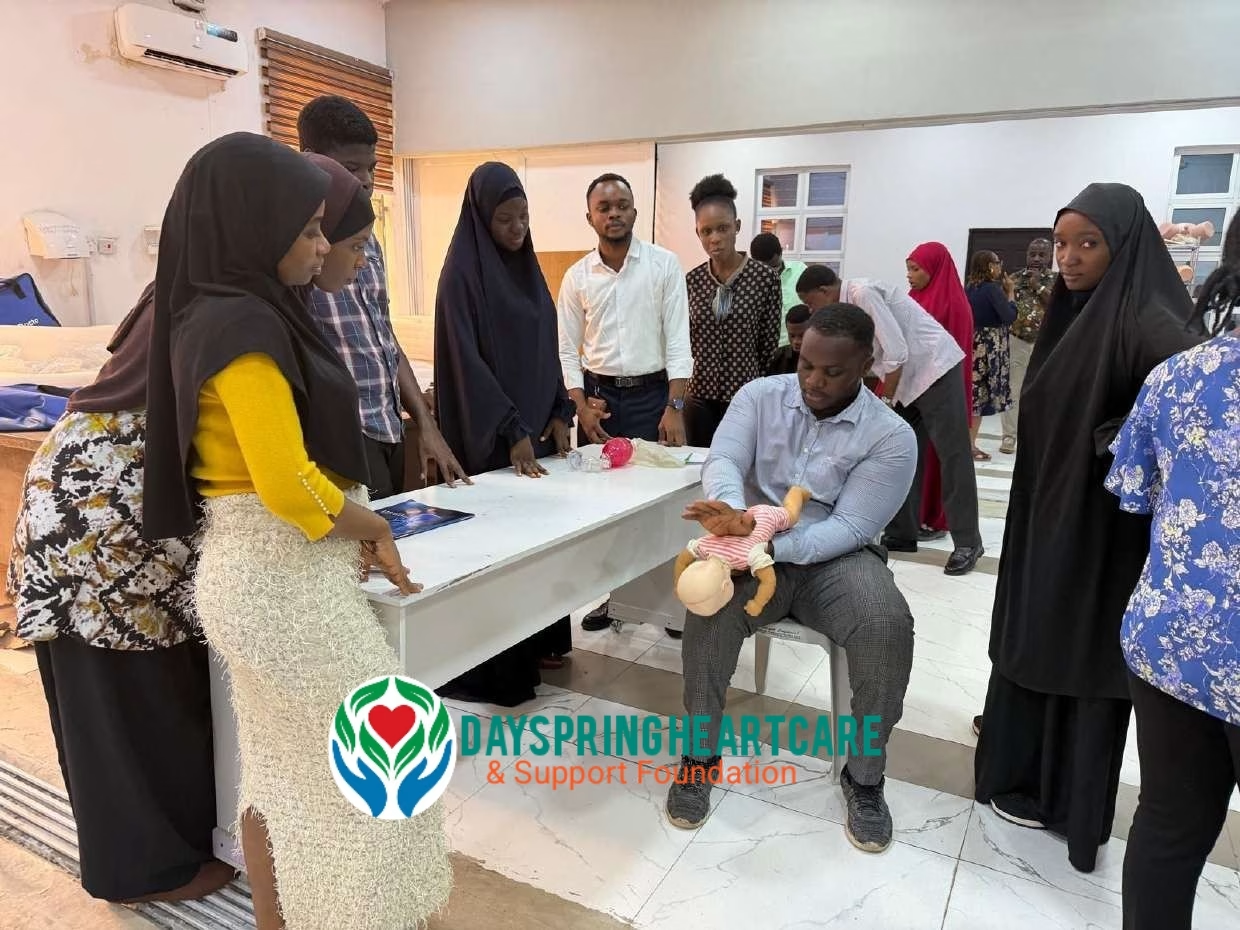
CPR: Why It Matters, How It Saves Lives, and Why Everyone Needs to Learn It
CPR: Why It Matters, How It Saves Lives, and Why Everyone Needs to Learn It
Cardiac arrest is one of the most dangerous medical emergencies because it happens suddenly and requires immediate action. When the heart stops beating, blood flow to the brain and other vital organs stops as well. Without quick intervention, brain damage or death can occur within minutes.
This is where CPR (Cardiopulmonary Resuscitation) becomes critical. CPR is not a hospital-only procedure. It is a first-response technique designed to keep a person alive until professional medical help arrives.
What CPR Is and What It Does
CPR is an emergency procedure used when the heart stops beating or beats irregularly. It works by manually compressing the chest to keep oxygenated blood flowing through the body.
- Maintains blood flow to the brain
- Reduces the risk of brain damage
- Keeps vital organs functioning
- Buys time until advanced medical care arrives
In many cases, Hands-Only CPR—chest compressions without rescue breaths—is enough to sustain life in the early minutes of cardiac arrest.
Why CPR Is Critical During Cardiac Arrest
Cardiac arrest is different from a heart attack. A heart attack is caused by blocked blood flow, while cardiac arrest is an electrical failure of the heart. When cardiac arrest occurs:
- The heart stops pumping blood
- The person collapses and loses consciousness
- Breathing may stop or become abnormal
Every minute without CPR significantly reduces the chance of survival. Emergency responders often take several minutes to arrive, and CPR fills this life-threatening gap.
How CPR Saved a Life: A Real Case Example
Murray Mitchell, a physically active 68-year-old man, suffered sudden cardiac arrest outside a hospital setting. He exercised regularly, did not smoke or drink, and had normal medical checkups.
Despite his healthy lifestyle, his heart stopped, and he went nearly 15 minutes without a natural heartbeat.
At the hospital, doctors initially found no signs of a heart attack. Hours later, further tests revealed a 99% blockage in a major artery supplying blood to the left side of his heart. He underwent emergency cardiac catheterization, received a stent, and was placed in a medically induced coma to allow his body to recover.
The greatest concern was his brain. After such a long period without a natural heartbeat, there was uncertainty about whether enough oxygen had reached his brain.
Murray survived because early intervention—including CPR—kept oxygen circulating until doctors could treat the underlying heart problem.
CPR Does Not Fix the Heart—It Keeps the Person Alive
CPR does not remove blockages or repair the heart. What it does is keep blood and oxygen moving, giving doctors the time they need to perform life-saving procedures.
Without CPR, many cardiac arrest victims never make it to the hospital.
Survival After Cardiac Arrest: The Reality
Survival rates for cardiac arrest outside a hospital are low. Medical professionals confirm that many patients do not survive such events.
Those who do may face complications such as memory loss, confusion, physical weakness, or mobility issues. Recovery often takes months.
In Murray’s case, he experienced memory challenges, physical instability, and medical complications. Over time, his mental clarity returned, his physical strength improved, and he resumed an active lifestyle.
Why Physical Fitness Alone Is Not Enough
While fitness improves recovery chances, it does not prevent cardiac arrest. Murray’s experience shows that even active, health-conscious individuals are not immune.
This is why CPR knowledge should exist in homes, workplaces, schools, churches, and public spaces—not just hospitals.
Why Everyone Should Learn CPR
Most cardiac arrests happen at home. The person who needs CPR is often a family member, friend, or coworker.
- CPR allows immediate action during emergencies
- Early CPR improves survival chances
- Training reduces panic and hesitation
- Anyone can learn CPR without medical training
Knowing CPR means being prepared to act when seconds matter.
Hands-Only CPR: Simple and Effective
Hands-Only CPR focuses on chest compressions at the correct depth and rhythm. It removes the fear many people have about mouth-to-mouth resuscitation.
It is simple, effective, and recommended for adult cardiac arrest in emergency situations.
The Role of AEDs in Saving Lives
An Automated External Defibrillator (AED) works alongside CPR by delivering a shock to restore normal heart rhythm when needed.
- AEDs are safe and easy to use
- They provide clear voice instructions
- They are designed for public use
After surviving cardiac arrest, Murray left the hospital with an implantable defibrillator. His experience also encouraged family members to invest in an AED.
Why Talking About CPR Matters
Many families avoid discussing emergency preparedness and health history. This silence can delay action during critical moments.
Open conversations about CPR help normalize preparedness, encourage learning, and save lives.
Final Thoughts: CPR Gives a Second Chance
CPR does not guarantee survival, but it gives something invaluable—a chance.
Murray Mitchell’s survival was made possible by early CPR, timely medical care, and physical resilience. Without any one of these factors, the outcome could have been different.
Learning CPR is not about being a hero. It is about being ready. When cardiac arrest happens, there is no time to learn—only time to act.